Infant and Adult Brains Are Coupled to the Dynamics of Natural Communication
Infancy is the foundational period for learning from adults, and the dynamics of the social environment have long been considered central to children’s development.

Infancy is the foundational period for learning from adults, and the dynamics of the social environment have long been considered central to children’s development.

Findings from this study offer schools important insights into the barriers and facilitators of implementing a regular outdoor learning programme within the KS2 curriculum.
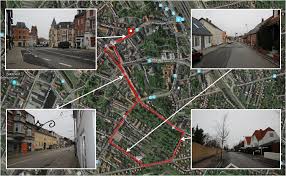
Exposure to nature improves cognitive performance through a process of cognitive restoration. However, few studies have explored the effect in children, and no studies have explored how eye movements “in the wild” with mobile eye tracking technology contribute to the restoration process. Our results demonstrated that just a 30-min walk in a natural environment was…

This paper draws on findings of comparative international research on students’ poetic writing about the natural environment in the context of the classroom and a naturalistic setting. The study involved 97, nine- to 10-year-olds in four classes: two classes were in an English primary school with their counterparts in a Western Australian primary school.
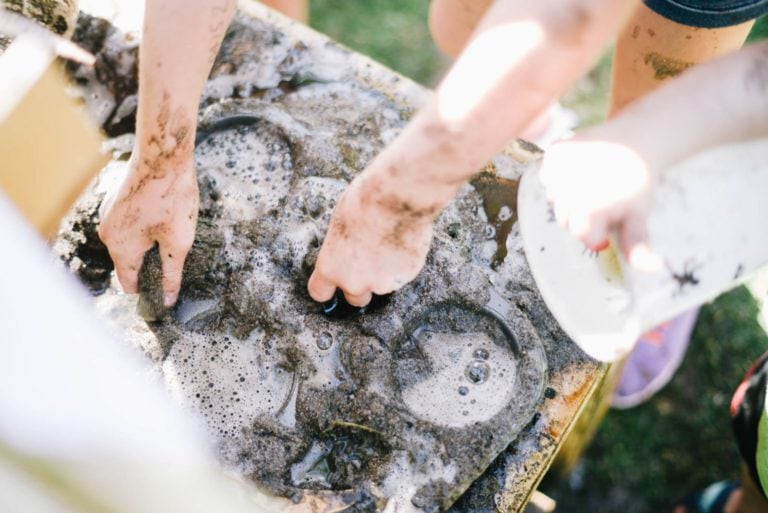
Lillard et al. (2013) concluded that pretend play is not causally related to child outcomes and charged that the field is subject to a play ethos, whereby research is tainted by a bias to find positive effects of play on child development. In this commentary, we embrace their call for a more solidly scientific approach to questions in this important area of study while offering 2 critiques of their analysis.
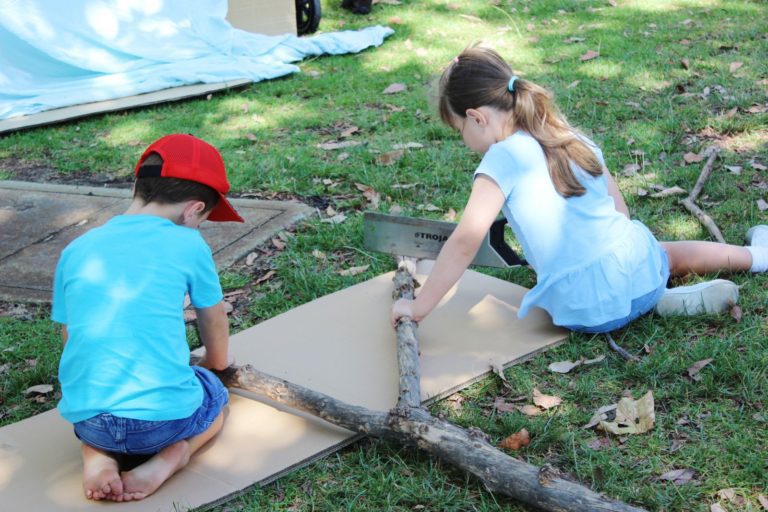
The current study investigated the influence of a play-based curriculum on the development of pretend play skills and oral language in children attending their first year of formal schooling.

The outdoor space at childcare centres can be many preschoolers’ primary experience of outdoor play. Trends prioritizing risk reduction have diminished access to nature and risky play. We examined the effects of an intervention to increase opportunities for nature and risky play in the outdoor play environments of two childcare centres using a repeated measures mixed methods design.

Researchers evaluated the association between lifelong residential exposure to green space and attention during preschool and early primary school years.

This study aimed to investigate the influence of Outdoor Education (OE) on different areas of development in 1–3-year-old children attending Italian nursery schools.

A growing body of evidence supports the claim that access to safe, natural areas improves health across a wide variety of areas, including heart health, mental health, weight management, ADHD, and stress among children. A concept gaining momentum in this realm is green schoolyards. But what is a green schoolyard?

Loose parts play (LPP) interventions introduce moveable materials and equipment to children’s play spaces to facilitate unstructured, child-led play.

Participants in Outdoor Education Programmes (OEPs) presumably benefit from these programmes in terms of their social and personal development, academic achievement and physical activity (PA). The aim of this systematic review was to identify studies about regular compulsory school- and curriculum-based OEPs, to categorise and evaluate reported outcomes, to assess the methodological quality, and to discuss possible benefits for students.