Tips for Using Talk N Walk Resources in Schools
The Talk N Walk program combines simple conversation prompts and nature activities that promote connection, movement and positive wellbeing in primary and high school age students.
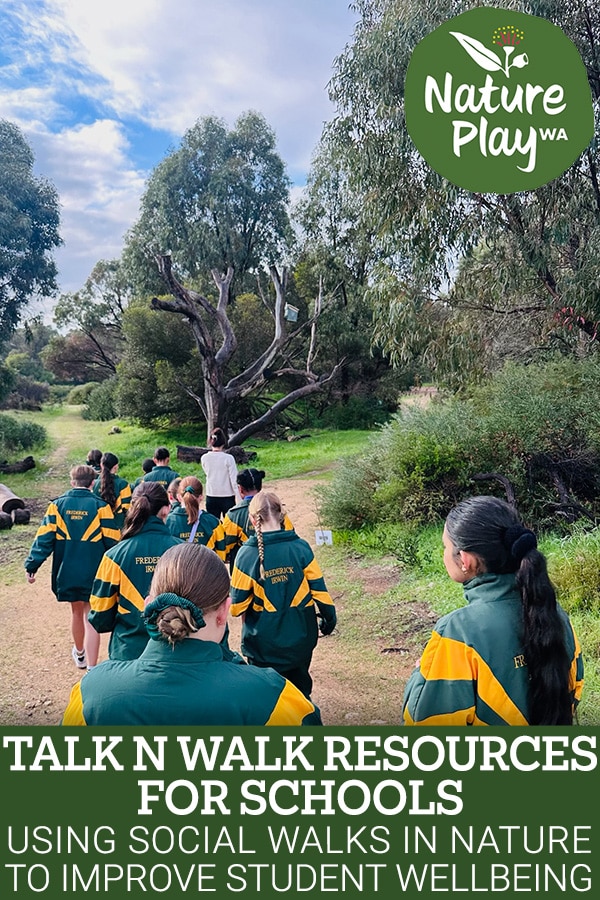
Available as both physical cards and as an interactive app, regular use of the Talk N Walk resources with students can help to:

Ways to Use Talk N Walk in Schools
We have collated the feedback of schools using Talk N Walk resources to present the following collection of tips and suggestions for ways to incorporate the program within school communities.
Morning Meetings
Starting the day with a short nature walk sets a positive tone for the rest of the day. Exposure to natural light, fresh air and physical activity are known to enhance cognitive function and improve concentration, and can be particularly beneficial for students at the start of the school day.


Consistency is key in establishing positive habits and, ideally, students will come to associate the morning Talk N Walk with the beginning of their learning day.
“(The) best thing as a teacher is the chance to find out my student’s mindset and debrief them or make considerations for them to get through their day.”
– Cue Primary School
Brain Breaks
Using the Talk N Walk program as a student brain break provides an opportunity for physical activity, stress reduction and cognitive reset. A Talk N Walk can be taken as a short, brisk walk or a more leisurely stroll, depending upon the time available and the desired level of physical activity.


Talk N Walk prompts can be utilised as a brain break tool:
- between scheduled breaks
- when transitioning between subjects or class periods
- as a spontaneous break when signs of restlessness/decreased engagement are observed in the classroom.
“[Talk N Walk] refreshes my mind before class.”
-Year 7 student, Mt Lawley SHS
Mindfulness Activities
Spending time in nature has been shown to reduce stress levels and promote mental wellbeing, and physical activity has proven positive effects on mood.
Combining walking with conversation adds a social and communicative aspect, further enhancing the stress-relieving benefits.


Supporting the link between physical activity, emotional wellbeing, and the importance of having healthy emotional outlets, teachers can introduce the concept of mindfulness and being present, and discuss how the practice of talking and walking in nature can be a useful mindfulness technique.
“From personal experience, I find I get a lot more out of students and finding where they’re at, and they’re way more comfortable chatting to me if they head outside for a walk.”
– Jade Browning, Healthy Active Coordinator, Mt Lawley SHS
Social Emotional Learning Programs
Talk N Walk can be used by teachers to strengthen class relationships, foster open dialogue and active listening, and to facilitate the resolution of disputes.


Teachers can pair or group students to take a Talk N Walk with classmates they might not usually spend time with. The conversation prompts and nature-based activity challenges promote teamwork and shared experiences, emphasising the importance of effective communication for maintaining healthy relationships.
“The [Talk N Walk] activity was great in getting participants who usually would not interact into a conversation where they were able to find out common interests and hobbies. Many of the topics were fun to discuss and there was lots of laughter and banter in the group.”
– Spectrum Space Facilitator

Feeling socially connected plays an important role in promoting happiness, self-esteem and confidence. Proven links include lower rates of anxiety and depression, higher self-esteem, greater empathy, and more trusting and co-operative relationships. It is why this project is so important.
– Dr Jacqueline Reid, M.ED, B.Psych, B.Sc, PGC Leadership
Orientation, Buddy & Mentor Programs
To help foster positive peer relationships and an inclusive school culture, teachers use Talk N Walk sessions across a range of programs:
- Orientation program – Pair new students with existing students.
- Buddy program – Pair older students with younger ones.
- Other school-based peer mentor programs.

The outdoor, non-classroom setting provides a positive environment for student connection, while walking side by side minimises face-to-face confrontation, making it easier for many students to open up and share.
Nearly 50% of Talk N Walk pilot program participants reported being able to talk more about things they wouldn’t normally talk about.
Special Reward or Wellbeing Days
Use Talk N Walk cards as an activity on special reward or wellbeing days, encouraging conversation and nature-connection activities as students walk together. Invite senior staff to walk laps of the oval (or a school-based or local walk trail) with groups of students, using the cards to spark conversation along the way.

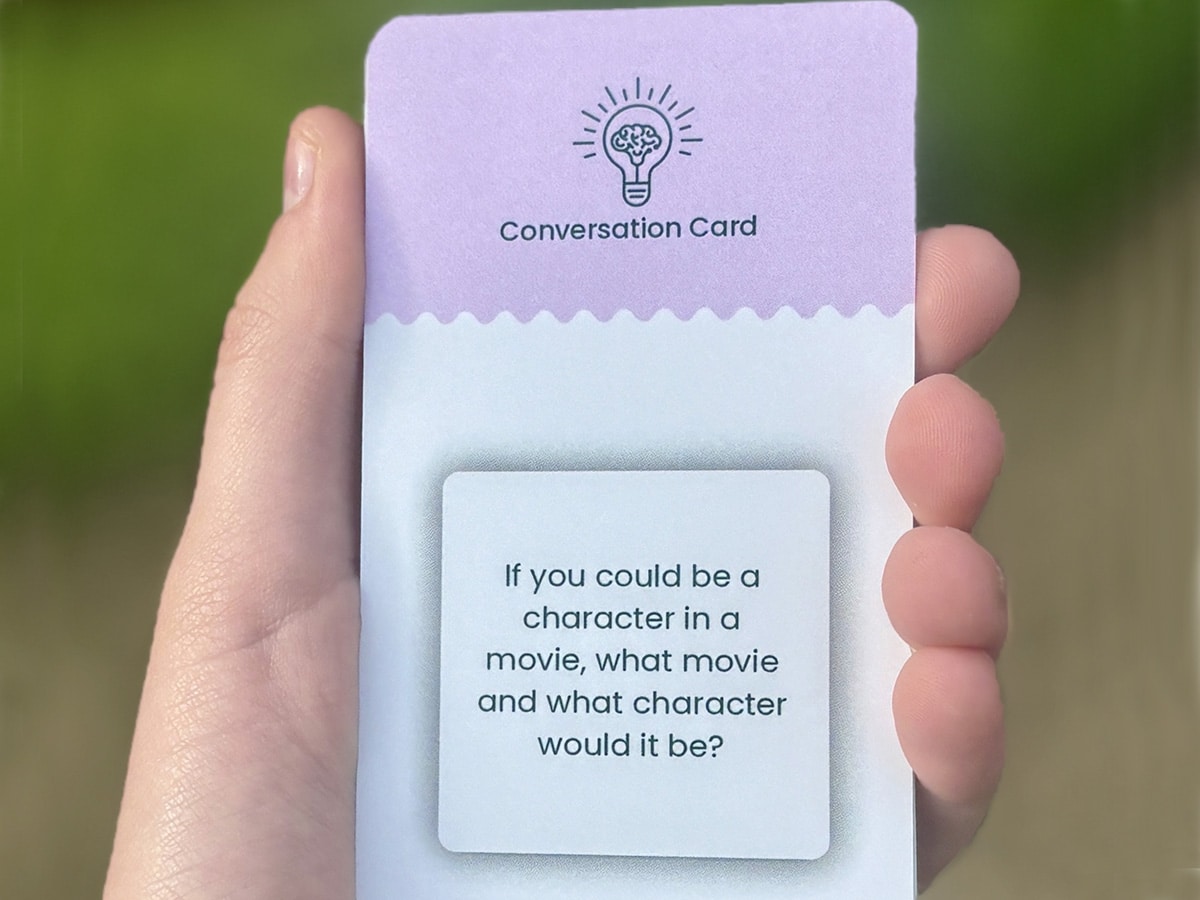
Students can take turns choosing a card and reading the prompt, with the group sharing their thoughts and ideas as they walk together.
“The Chaplain and the school principal walked laps of the oval in two separate groups, inviting all students to join. We then read the cards and scaffolded conversation around these ideas.”
– Eneabba Primary School
Walk to School Event
Arrange a whole-of-school ‘Talk N Walk to School Day’ to build community and create awareness of the importance of walking to physical health and mental wellbeing. Students and families can have fun completing the walking challenges as they make their way to or from school.

One parent commented as she left the school, “The Talk N Walk app was a great success. It stimulated conversation all the way to school this morning.”
– Coolbinia Primary School
Health & Physical Education Programs
Walking improves cardiovascular health, helps maintain a healthy weight, and supports muscular and joint health.
Walking and talking together in nature provides a low-impact, accessible way to support physical health, particularly for students who may not enjoy conventional or competitive sport lesson activities. It offers an inclusive alternative that makes being active more enjoyable and accessible.


Integrating nature walks with Talk N Walk into your Health or Physical Education program helps students to establish walking as an accessible, healthy habit for long-term health and wellbeing.
A Talk N Walk Case Study
With the support of a Healthway Healthy Schools Grant, East Wanneroo Primary School created a scalable, low-barrier initiative that other WA schools can easily adapt to their own context. The school’s weekly before-school wellbeing initiative was developed as a non-competitive alternative to the popular Friday Run Club, ensuring students who may not feel confident or motivated by sport still had a positive and welcoming way to be active.
Each weekly session followed a simple, repeatable structure:
- A short yoga stretch and check-in.
- Walking laps around the school grounds while chatting with peers.
- Use of Nature Play WA’s Talk N Walk cards, with some weeks focusing on specific wellbeing themes.
- A healthy breakfast of fruit and vegetables shared at the end of the session.
The focus was on wellbeing over performance, encouraging movement through connection, curiosity and fun.
“We’ve had about 45 kids on average each week. They’re eating heaps of fruit and the conversation cards are a big hit.”
Project’s Lead Teacher – East Wanneroo Primary School
Talk N Walk – Available Now
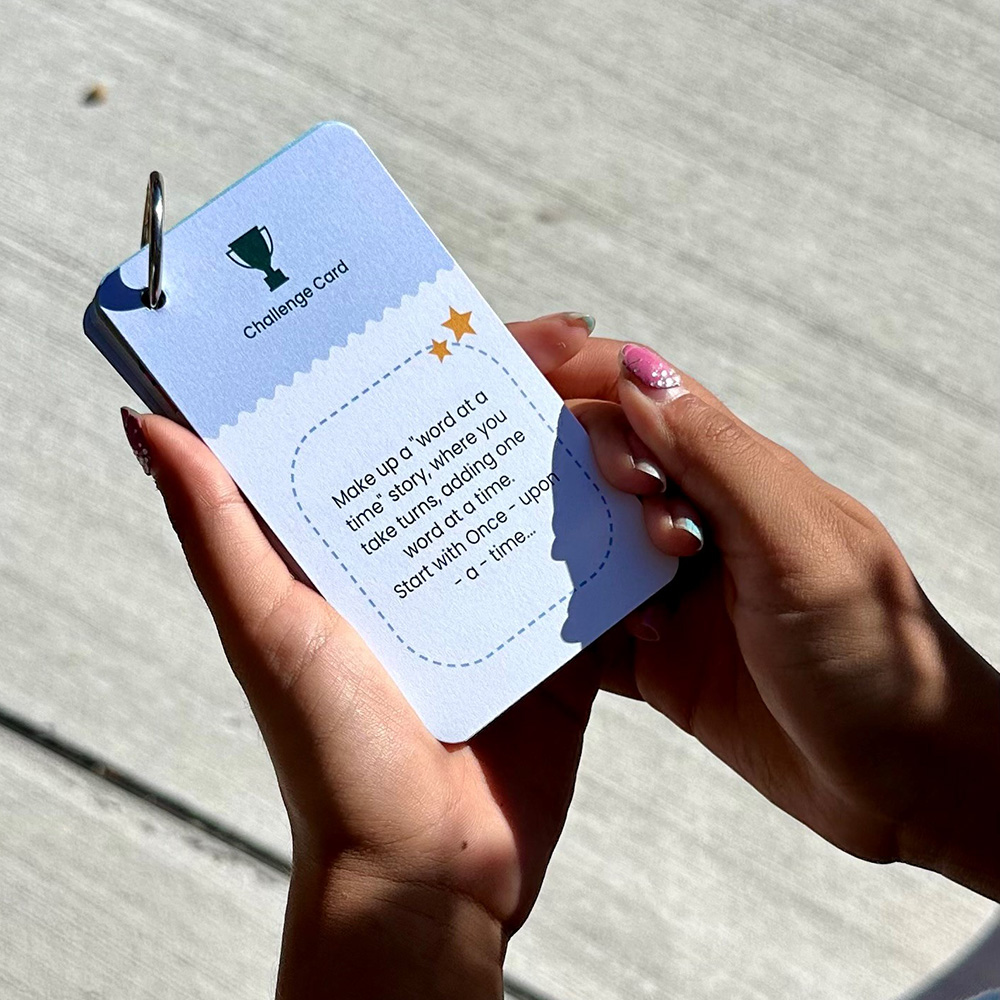
Developed in consultation with over 100 WA youth, all of the prompts and activities within the Talk N Walk deck were selected to encourage connection and physical activity through a social walk outdoors with classmates, friends or family.