Commissioner for Children and Young People Speaking Out Survey 2021
In the Commissioner’s second Speaking Out Survey, 16,532 children and young people from all regions of WA shared their experiences…


In the Commissioner’s second Speaking Out Survey, 16,532 children and young people from all regions of WA shared their experiences…

Abstract Existing frameworks for biophilic design have similar strategies and attributes as useful checklists for designers; however, the focus has…

Lockdown restrictions had different effects on physical activity and active recreation among age groups and by sex. Physical activity promotion strategies that target children and adolescents, at home physical activity options, active neighbourhoods, and (re)engagement in informal sport and recreational activities post-COVID-19 are critical for (re)engaging Australians in health-enhancing behaviours.
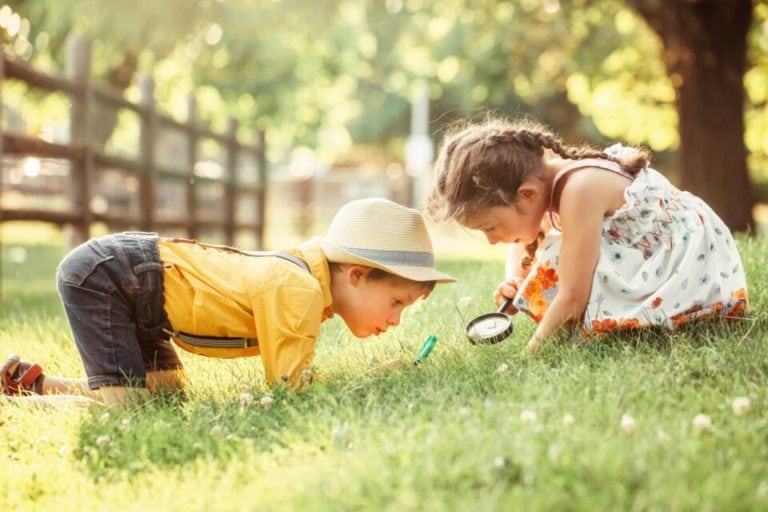
Abstract CONTEXT Daily outdoor play is encouraged by the American Academy of Pediatrics. Existing evidence is unclear on the independent…

Summary Background Mental wellbeing in adolescents has declined considerably during past decades, making the identification of modifiable risk factors important….
Abstract Epidemiological studies have established positive associations of urban nature with cognitive development and mental health. However, why specifically these…

Nature Play WA, in conjunction with researchers from the Telethon Kids Institute, has created a ‘what you need to know’ guide for parents on the impacts of excessive screen time, highlighting new and relevant research in a clear and easy-to-understand manner.
The integration of loose parts, or open-ended, unstructured materials, into play environments, has been associated with positive social behaviours, creativity, and improved problem-solving, confidence, and resilience.

Influence of the day care, home and neighbourhood environment on young children’s physical activity and health: protocol for the PLAYCE observational study.

This report, written to support Australia’s Outdoor Classroom Day, sets out not only a snapshot report on how much more playtime Australian children are getting compared to everyone else, but also an overview of why outdoor learning and play is so very important.

The Playtime Matters report brings together both previous research and new findings that make the case for playtimes being a key part of the school day. It shows that outdoor play at school helps develop healthy, curious and active kids who are better connected to their environment. It brings together evidence that shows that time outdoors is particularly important for children’s mental health – reducing stress, giving a sense of calm and simply making them happier.
Abstract Exposure to natural environments is associated with a lower risk of common mental health disorders (CMDs), such as depression…