PLAYCE Study – Child’s Play
Influence of the day care, home and neighbourhood environment on young children’s physical activity and health: protocol for the PLAYCE observational study.


Influence of the day care, home and neighbourhood environment on young children’s physical activity and health: protocol for the PLAYCE observational study.

This report, written to support Australia’s Outdoor Classroom Day, sets out not only a snapshot report on how much more playtime Australian children are getting compared to everyone else, but also an overview of why outdoor learning and play is so very important.

The Playtime Matters report brings together both previous research and new findings that make the case for playtimes being a key part of the school day. It shows that outdoor play at school helps develop healthy, curious and active kids who are better connected to their environment. It brings together evidence that shows that time outdoors is particularly important for children’s mental health – reducing stress, giving a sense of calm and simply making them happier.

To date, studies using cross-sectional methodologies make up a majority of the literature surrounding children with autism spectrum disorders and participation in physical activity and screen time. Longitudinal studies are needed to examine how physical activity and screen time behaviors co-develop for children with and without an autism spectrum disorder.

Grounded in cultural-historical theory, Playworlds is a model of play pedagogy where children and educators recreate a narrative through dramatization.

Highlights • Fathers spend a large proportion of their time with their children engaging in play. • This is often in the form of physical play such as rough and tumble. • Fathers’ play frequency increases from infancy and declines as children reach school age. • Early father-infant play is linked to positive social, emotional…
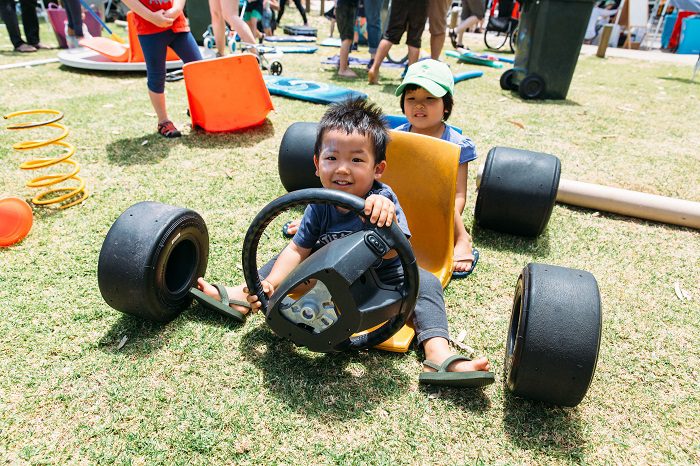
This report summarises emerging evidence on the effects of play restrictions in terms of a) reducing the risk of COVID-19 transmission in the population and b) the detriments to children resulting from the restrictions.
Infancy is the foundational period for learning from adults, and the dynamics of the social environment have long been considered central to children’s development.

Mothers and daughters find spending time outdoors together strengthens communication and family connectedness Twenty-six mothers and daughters participated in semi-structured interviews focusing on their experiences with family-based nature activities (FBNA), defined as two or more family members engaging in outdoor recreation. The mother and daughter interviews were conducted simultaneously but in separate rooms. This arrangement…

‘Pop-up parks’ represent one possible means to help meet the demands of urbanites for more opportunities to connect with nature in their neighborhoods, serve important conservation functions by providing small-scale habitat refuges for a wide variety of threatened plants and animals in urban environments, and deliver a suite of ecosystem services to urban residents and wildlife alike.
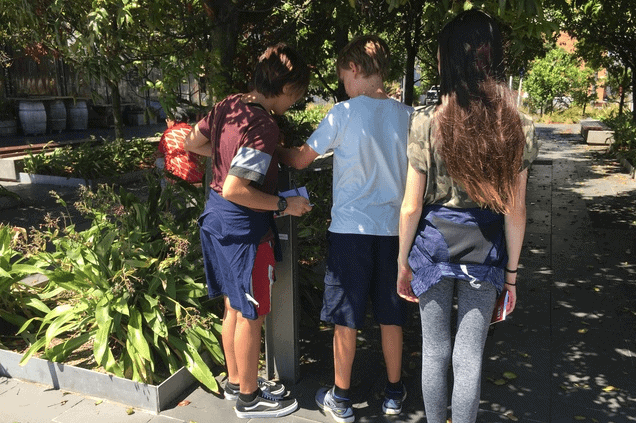
New Zealand children’s physical activity, including independent mobility and active travel, has declined markedly over recent decades. The Neighbourhoods for Active Kids (NfAK) study examines how neighbourhood built environments are associated with the independent mobility, active travel, physical activity and neighbourhood experiences of children aged 9–12 years in primary and intermediate schools across Auckland, New Zealand’s largest city.

Findings from this study offer schools important insights into the barriers and facilitators of implementing a regular outdoor learning programme within the KS2 curriculum.