Biophilic Design Patterns for Primary Schools
Abstract Existing frameworks for biophilic design have similar strategies and attributes as useful checklists for designers; however, the focus has…


Abstract Existing frameworks for biophilic design have similar strategies and attributes as useful checklists for designers; however, the focus has…
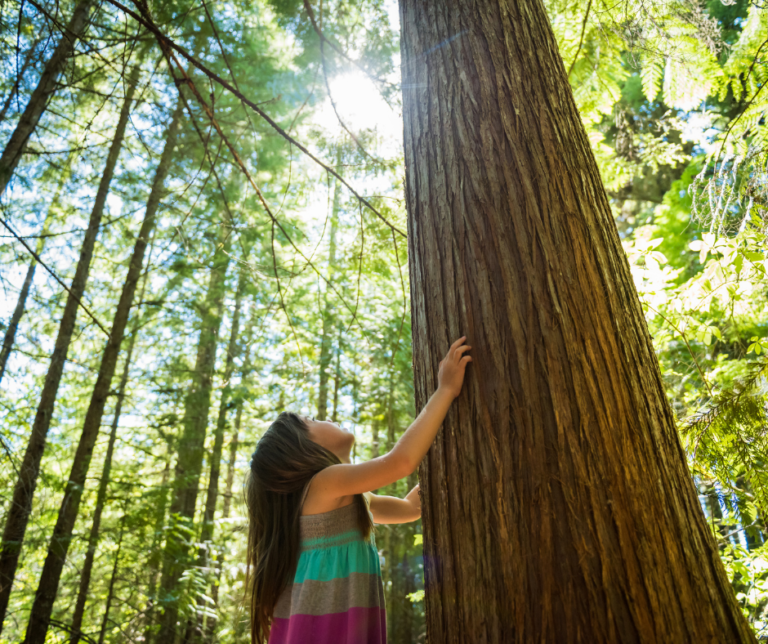
Summary Background Exposure to greenspace is associated with improved childhood development, but the pathways behind this relationship are insufficiently understood….

Abstract CONTEXT Daily outdoor play is encouraged by the American Academy of Pediatrics. Existing evidence is unclear on the independent…

Highlights •Children express interest in plant species that offer affordances to their play. •Children prefer the natural settings located along…
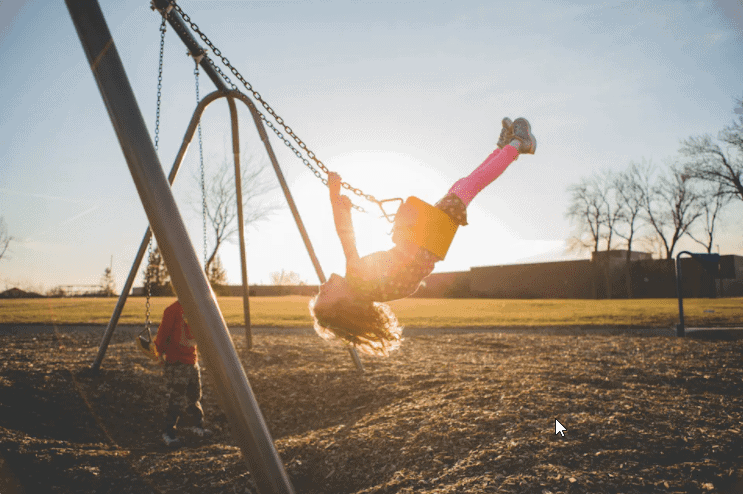
The British Children’s Play Survey was conducted in April 2020 with a nationally representative sample of 1919 parents/caregivers with a child aged 5–11 years. Respondents completed a range of measures focused on children’s play, independent mobility and adult tolerance of and attitudes towards risk in play.

Declines in outdoor activities and park use during the first year of the COVID-19 pandemic were linked to reductions in mental health measures for teens and young adults from middle school through college, according to two new studies led by North Carolina State University researchers.

Stress reduction through contact with nature is well established, but far less is known about the contribution of contact parameters – duration, frequency, and nature quality. This study describes the relationship between duration of a nature experience (NE), and changes in two physiological biomarkers of stress – salivary cortisol and alpha-amylase.

Physical inactivity is a major public health concern. Natural, or semi-natural, environments may encourage physical activity, but the influences of socio-economic factors have been under-researched.

‘Pop-up parks’ represent one possible means to help meet the demands of urbanites for more opportunities to connect with nature in their neighborhoods, serve important conservation functions by providing small-scale habitat refuges for a wide variety of threatened plants and animals in urban environments, and deliver a suite of ecosystem services to urban residents and wildlife alike.

New Zealand children’s physical activity, including independent mobility and active travel, has declined markedly over recent decades. The Neighbourhoods for Active Kids (NfAK) study examines how neighbourhood built environments are associated with the independent mobility, active travel, physical activity and neighbourhood experiences of children aged 9–12 years in primary and intermediate schools across Auckland, New Zealand’s largest city.
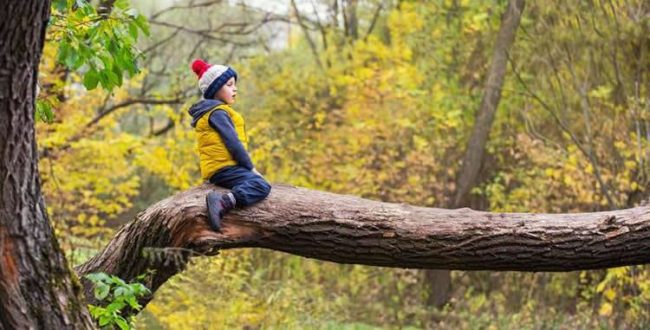
Urban residence is associated with a higher risk of some psychiatric disorders, but the underlying drivers remain unknown. Here, we investigate the prospective association between green space and mental health in the Danish population.
Exposure to nature improves cognitive performance through a process of cognitive restoration. However, few studies have explored the effect in…