Choose Your Own Adventure with Our Sunny Days Playlist
Some days seem made for outdoor adventures. The sun is shining, there’s a gentle warmth in the air and nature seems to beckon children to spend hours exploring, creating and imagining. These are the days when it’s easy to lose track of time outside.
Sunny weather offers endless opportunities for active play, creative discovery and moments of quiet wonder. Children might build cubbies, climb trees, search for insects or simply enjoy the freedom to run, jump and follow their curiosity wherever it leads.
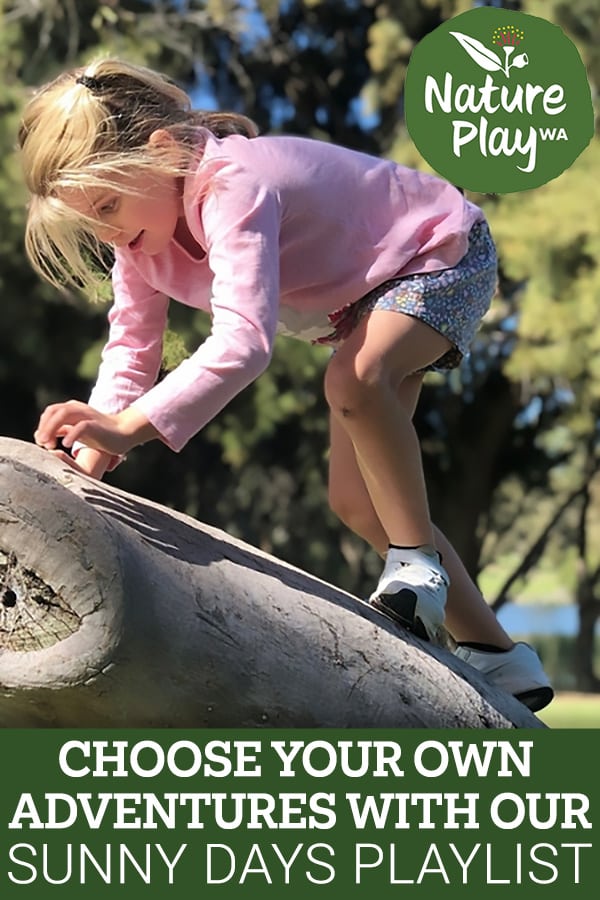
Regular outdoor play supports children’s physical health, emotional wellbeing, confidence and creativity. It also nurtures problem-solving, social connection and a lifelong appreciation of the natural world. While every type of weather has something unique to offer, mild sunny days provide the perfect opportunity to slow down, linger a little longer and immerse children in the joys of nature play.
Sunny Days on Noongar Country
Western Australia’s moderate climate means sunny days can be enjoyed across many seasons.
Of the Noongar seasons, Djeran’s calm, mild days invite long walks and quiet observation throughout April and May, while Kambarang (typically October and November) bursts with wildflowers, buzzing insects and signs of new life as the weather warms.
Find out more about the Noongar seasons via ABC News’ series of short videos;
Tips for Sunny Day Play
- Be prepared with hats, sun-safe clothing, shoes and sunscreen to suit the weather.
- Make cold drinking water readily available.
Additionally, in childcare and school settings;
- Check the forecast and UV index and, wherever possible, be flexible about when you head outdoors with the children.
- Set up some of your planned outdoor play activities under shaded areas.
Choose An Adventure with Our Sunny Days Playlist
These sunny day play ideas are designed to inspire meaningful time outside, helping children to build skills, create memories and develop a lasting connection with the world around them.
- Look to see what’s hiding under a rock.
- Stand with the sun behind you and look to see if your body makes a shadow. Can you make the shadow move?
- Go barefoot. Get those tootsies out and feel the ground beneath your feet.

- Build a fort or a cubby.
- Make a petal perfume with water and flower petals.
- Visit a local lake or pond. Can you see or hear fish, birds, bugs or frogs?
- Find a nice tree to climb and have a go climbing it.
- Build a bug hotel by filling a cardboard box with sticks, leaves, bark and grass. Place it somewhere safe outdoors and check regularly to see which insects move in!
- Take your food outside to eat for an instant picnic.
- Look for shadows on the ground. Can you spot what made each shadow?
- Find a nice spot to relax and read a book.
- Create a teensy tiny playground for insects to play in.
- Use old kitchen utensils such as spoons, cups and muffin tins for making “cakes” and “biscuits” from damp sand.

- Play a game of Shadow Tag by trying to step on a friend’s shadow.
- Create a winding path with pebbles, sticks and leaves that leads somewhere interesting.
- Dip leaves or flowers in water and press them onto the pavement to create temporary prints. Watch them disappear.
- Go for a nature walk. Try to find five different colours in nature.
- Create a simple shadow clock by marking the position of a stick’s shadow throughout the day, watching how it changes as the sun moves across the sky.

- While playing outside, keep an eye out for a patch of clover. If you find some, try searching for a four-leaf clover.
- Create a leaf creature. Collect interesting leaves and turn them into people, animals, or magical beings.
- Make roads, bridges and landscapes for toy cars with sticks, leaves and rocks.
Download the Printable List
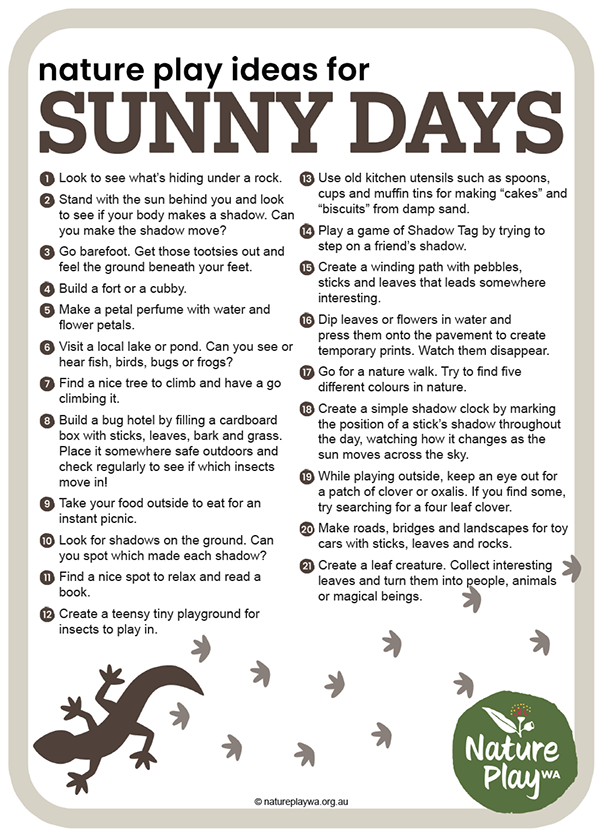
We have two versions of our printable list available to download via the buttons below – a full colour PDF and an accessible, plain language Word document.
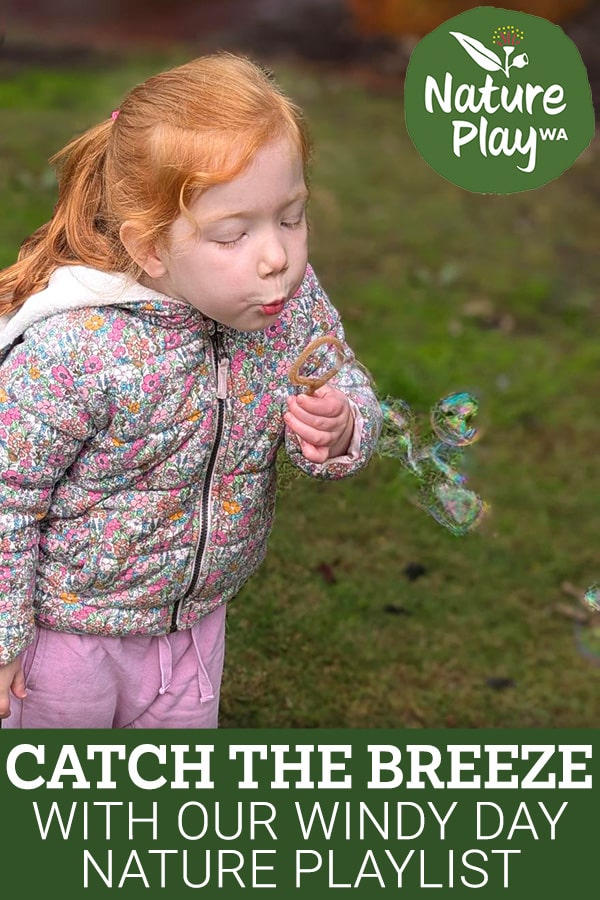
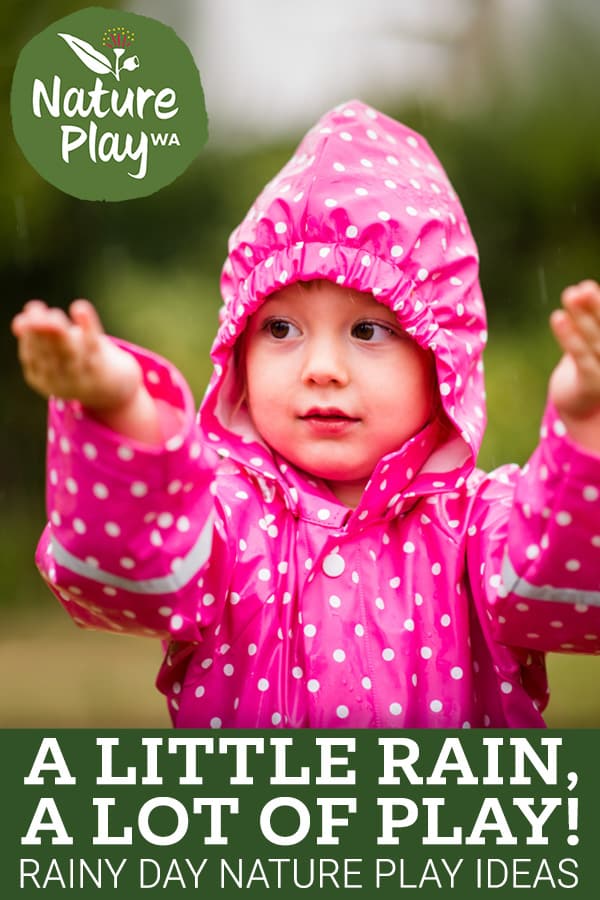
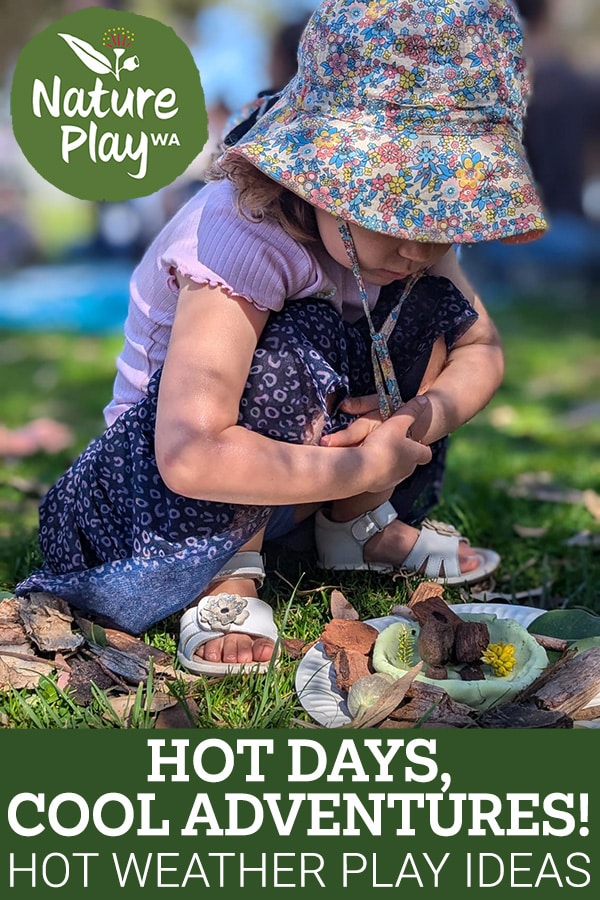
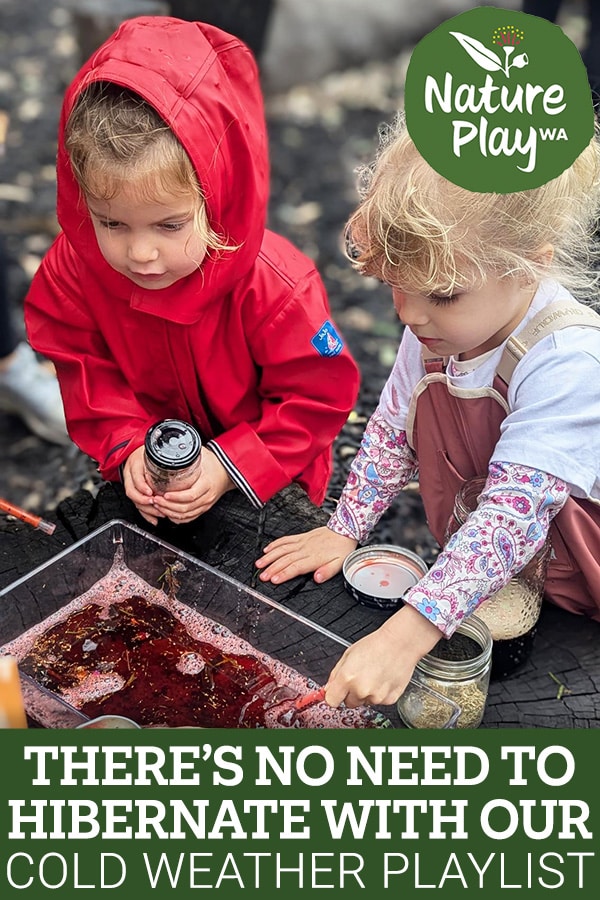
Looking for play ideas for other weather conditions, check out our other nature playlists (click on an image below to be take to the related article);